
Coconut Cake with Flaked Coconut Frosting Recipe
If you’re a fan of all things coconut, you’re going to flip for this Coconut Cake with Flaked Coconut Frosting Recipe. I’ve been making this cake for years, and every single time it’s a showstopper at parties. It’s moist, fluffy, and that frosting? Oh, it’s loaded with flaked coconut that adds this irresistible chewy crunch. Trust me, once you make this, you’ll find yourself looking for excuses to bake it again.
Why This Recipe Works
- Perfect Balance of Moisture and Fluffiness: The combination of buttermilk and whipped egg whites creates an incredibly tender crumb.
- Flavor That Pops: Coconut extract paired with vanilla bean paste adds depth beyond basic coconut flavor.
- Rich, Textured Frosting: Cream cheese frosting with flaked coconut gives that luscious, chewy topping you’ll crave.
- Make-Ahead Friendly: The cake actually benefits from resting overnight, making it great for planning ahead.

Ingredients & Why They Work
This Coconut Cake with Flaked Coconut Frosting Recipe uses a handful of simple ingredients that harmonize beautifully to give you a cake that’s moist, flavorful, and loaded with coconut goodness. Grab good-quality cake flour and fresh buttermilk to make a real difference.

- Egg Whites: Whipped to stiff peaks, they add airiness, making the cake light and fluffy.
- Buttermilk: Adds moisture and tenderness while helping the baking soda to react for good rise.
- Baking Soda: Leavens the cake perfectly with the acidity of the buttermilk.
- Sweetened Flaked Coconut: The star ingredient, providing both coconut flavor and texture.
- Cake Flour: Gives a finer crumb than all-purpose flour for that delicate softness.
- Powdered Milk: Adds richness and subtle sweetness to the cake batter.
- Granulated Sugar: Sweetens and helps tenderize the crumb.
- Salt: Enhances all the flavors, balancing the sweetness.
- Unsalted Butter: Provides richness and depth—not too salty, so you can control seasoning.
- Egg Yolks: Add richness and moisture to the batter.
- Vanilla Bean Paste: Imparts a deep vanilla flavor with those delicious little beans visible.
- Coconut Extract: Intensifies coconut flavor without overpowering.
- Cream Cheese: For that tangy, creamy frosting base that feels luxurious.
- Salted Butter: Adds balance to the frosting’s sweetness and creaminess.
- Powdered Sugar: Sweetens and thickens the frosting.
- Heavy Cream: Makes the frosting smooth and spreadable.
- Vanilla Extract: Rounds out the frosting flavor.
Tweak to Your Taste
I love that this Coconut Cake with Flaked Coconut Frosting Recipe is pretty versatile, so you can tweak it to suit your cravings or dietary needs. I often play around with coconut variations or enhance the tropical vibe.
- Lime Zest Twist: Adding a teaspoon of fresh lime zest to the batter makes it taste like a vacation—bright and refreshing.
- Use Almond Flour: For a gluten-free version, substitute cake flour for almond flour and adjust baking time slightly (just a heads-up, texture will be different but still delicious).
- More Coconut Crunch: Toast the flaked coconut before adding it to the frosting for an irresistible nutty aroma and crunch.
- Less Sugar: If you prefer a less sweet frosting, reduce powdered sugar by a cup and balance with a tiny splash of heavy cream.
Step-by-Step: How I Make Coconut Cake with Flaked Coconut Frosting Recipe
Step 1: Whip Those Egg Whites to Bodybuilding Perfection
I start by separating my eggs, letting those whites come to room temperature—it whips better this way. Using my stand mixer with the whisk attachment on speed 4 for two minutes, then cranking it up to speed 6 until stiff peaks form (think glossy, firm mountains). This step is crucial: no over or under whipping, or your cake texture will suffer. Once whipped, I gently set them aside for later folding.
Step 2: Prepping the Coconut and Dry Ingredients
While the egg whites rest, I pulse the sweetened flaked coconut in a food processor until it’s finely shredded. This releases more flavor and blends better into the batter. Then, in the now-empty mixer bowl, I add the processed coconut, cake flour, granulated sugar, powdered milk, and salt — mixing lightly to combine before adding butter and egg yolks.
Step 3: Mixing Batter with Buttermilk and Vanilla Goodness
Next, I add softened butter to the dry ingredients, mixing until the texture resembles wet sand. Scraping down the bowl is key here to avoid lumps. Then the five egg yolks join the party, along with aromatic vanilla bean paste and that dreamy coconut extract. I finish by slowly incorporating the buttermilk mixture in three batter-thinning additions to keep it smooth and well-mixed.
Step 4: Folding in the Fluffy Egg Whites and Baking
Folding in the whipped egg whites is where you want to be delicate but thorough—try to keep as much air as possible without leaving streaks. The batter will be luscious and thick. I divide it evenly between two greased 9-inch pans (a kitchen scale can really help here) and bake at 350°F for about 35-40 minutes, or until a toothpick comes out clean.
Step 5: Cooling and Mastering the Overnight Rest
Once out of the oven, I let the cakes cool in the pans for 5 minutes—this prevents them from breaking when unmolding. Then on a wire rack until nearly cool. Here’s where the magic happens: I wrap them up tightly in plastic wrap while they’re still slightly warm and leave them at room temp overnight. This step locks in moisture for a cake that stays tender and dreamy the next day.
Step 6: Creating the Dreamy Flaked Coconut Frosting
For the frosting, I use cold cream cheese and softened salted butter beaten together until fluffy and smooth. Adding powdered sugar gradually with heavy cream keeps it from getting too dense (or too runny—you can always tweak with more sugar or cream). I finish with vanilla and coconut extracts for a flood of coconut flavor. The 1-2 cups flaked coconut get pressed gently onto the frosted cake’s exterior for that iconic texture.
Pro Tips for Making Coconut Cake with Flaked Coconut Frosting Recipe
- Don’t Skip the Overnight Rest: Wrapping the cake while warm and letting it sit overnight locks in moisture and intensifies flavors.
- Pulse Your Coconut: Finely processing the flaked coconut prevents clumps and ensures even distribution for that coconut kiss in every bite.
- Use Vanilla Bean Paste: It’s stronger and richer than vanilla extract, making a big difference in the cake’s aroma and taste.
- Fold, Don’t Stir: Gently folding in egg whites keeps your batter light and prevents deflating — key to that perfect crumb.
How to Serve Coconut Cake with Flaked Coconut Frosting Recipe

Garnishes
I typically garnish this cake with extra sweetened flaked coconut pressed gently to the sides and top—sometimes toasted for a deeper nuttiness. A few fresh coconut curls or even edible flowers add a pretty touch without overpowering the natural flavor. If I’m feeling fancy, I’ll pipe some fluffy frosting rosettes for that classic cake-shop look.
Side Dishes
This cake pairs brilliantly with fresh tropical fruits like pineapple slices or mango chunks. A dollop of whipped cream or a scoop of vanilla bean ice cream makes for a perfect balance. And if it’s brunch, a lightly brewed coffee or a slightly chilled coconut water works beautifully alongside.
Creative Ways to Present
For birthdays or special celebrations, I’ve layered this cake into a tall tower with alternating layers of coconut and passion fruit curd for a tropical twist. Another fun idea? Serve mini versions as cupcakes topped with the flaked coconut frosting, perfect for grab-and-go treats.
Make Ahead and Storage
Storing Leftovers
Once frosted, I store this cake covered in the fridge for up to 4 days. To keep the coconut flakes from drying out, I usually leave the cake uncovered on the top (in a way that keeps dust out), which preserves that lovely coconut texture better.
Freezing
I have frozen unfrosted layers wrapped tightly in plastic wrap and foil — they thaw overnight in the fridge and taste just as fresh the next day. I prefer to freeze before frosting for best texture, but you can freeze fully frosted cakes for up to a month if wrapped well.
Reheating
For day-old slices, I let them warm to room temperature and pop them in the microwave for about 10-15 seconds to revive the softness without melting the frosting too much. It’s a quick fix that tastes almost like freshly baked.
FAQs
-
Can I use fresh coconut instead of sweetened flaked coconut?
Fresh coconut has a higher moisture content and less sweetness, which can affect the texture and flavor balance of the cake and frosting. If you want to use fresh coconut, consider lightly toasting it and adding some sugar to compensate for sweetness. Otherwise, stick to sweetened flaked coconut for best results.
-
What if I don’t have buttermilk? What’s a good substitute?
A quick substitute is to add 1 tablespoon of white vinegar or lemon juice to 1 cup of milk, let it sit for 5 minutes, then use. This mimics the acidity of buttermilk needed for the baking soda to activate and yields a similar tender crumb.
-
Can I make this cake dairy-free?
You can swap out butter for a plant-based margarine and use dairy-free cream cheese alternatives for the frosting. For the buttermilk, use a dairy-free milk with lemon juice or vinegar. Keep in mind texture and flavor might differ slightly, but it’s doable!
-
How important is the folding technique with egg whites?
Folding gently is super important here because it keeps the egg whites from deflating. That air is what makes your cake light and airy, so use a spatula to gently incorporate them without stirring vigorously.
-
Can I decorate the cake differently?
Absolutely! You can pipe additional frosting in pretty borders, sprinkle with toasted nuts or even fresh tropical flowers. I like using toasted coconut flakes for a deeper flavor and a bit of contrast in texture.
Final Thoughts
This Coconut Cake with Flaked Coconut Frosting Recipe holds a special place in my heart because of how effortlessly it combines classic flavors with a luscious texture that always impresses my friends and family. It’s one of those cakes that’s a little slice of sunshine you can make at home anytime. I promise, once you try it, you’ll understand why I keep coming back to this recipe season after season. So, roll up your sleeves, preheat that oven, and let’s bring a bit of tropical magic to your kitchen!
Print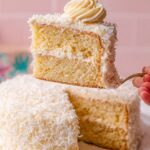
Coconut Cake with Flaked Coconut Frosting Recipe
- Prep Time: 40 minutes
- Cook Time: 40 minutes
- Total Time: 1 hour 20 minutes
- Yield: 16 servings
- Category: Dessert
- Method: Baking
- Cuisine: American
- Diet: Vegetarian
Description
This Classic Coconut Cake features moist layers of coconut-infused cake made with sweetened flaked coconut and a rich, creamy cream cheese frosting enhanced with coconut extract. Perfect for coconut lovers, it’s a delightful dessert ideal for celebrations or any occasion seeking a tropical twist.
Ingredients
For the Cake
- 4 large egg whites room temperature
- 1 cup buttermilk room temperature
- 1 teaspoon baking soda
- 1⅓ cups sweetened flaked coconut (120g), loosely packed
- 2 cups cake flour (260g)
- 2 tablespoons powdered milk
- 2 cups granulated sugar (400g)
- ¾ teaspoon salt
- 1 cup unsalted butter room temperature
- 5 large egg yolks room temperature
- 1 tablespoon vanilla bean paste
- 1½ teaspoons coconut extract
For the Frosting
- 8 ounces cream cheese cold and cubed
- ½ cup salted butter softened
- 5 cups powdered sugar
- ¼ cup heavy cream (60mL)
- 1 tablespoon vanilla extract
- 1½ teaspoons coconut extract
- 1 to 2 cups sweetened flaked coconut
Instructions
- Preheat and Prepare Pans: Preheat the oven to 350°F and grease two 9-inch pans with cake goop or line the bottom with parchment paper and coat with nonstick spray.
- Beat Egg Whites: Place 4 large egg whites in a stand mixer fitted with a whisk attachment. Beat on speed 4 for 2 minutes, then increase to speed 6 and continue beating until stiff peaks form, about 1 additional minute. Transfer egg whites to a small bowl and set aside.
- Mix Buttermilk and Baking Soda: In a small bowl or measuring cup, combine 1 cup buttermilk and 1 teaspoon baking soda and set aside.
- Process Coconut: Add 1⅓ cups sweetened flaked coconut to a food processor and pulse until finely chopped.
- Combine Dry Ingredients: Add the processed coconut to the empty mixer bowl along with 2 cups cake flour, 2 cups granulated sugar, 2 tablespoons powdered milk, and ¾ teaspoon salt. Mix to combine.
- Add Butter: Add 1 cup softened unsalted butter and mix until the texture is sandy. Scrape down the sides if any butter sticks.
- Add Egg Yolks and Flavorings: Beat in 5 large egg yolks, 1 tablespoon vanilla bean paste, and 1½ teaspoons coconut extract until fully incorporated.
- Add Buttermilk Mixture: Slowly beat in the buttermilk and baking soda mixture in three additions until fully combined, scraping down the sides as needed.
- Fold in Egg Whites: Gently fold in the stiff egg whites until the batter is well combined.
- Divide Batter and Bake: Evenly divide the batter between the prepared pans (about 720g each) and bake for 40 minutes until a toothpick inserted comes out clean.
- Cool Cakes: Remove cakes from the oven and let cool in the pans for 5 minutes. Transfer to a cooling rack until almost completely cool. Wrap in double plastic wrap and store at room temperature overnight for moistness.
- Prepare Frosting: In a stand mixer bowl fitted with a paddle attachment, beat 8 ounces cold cubed cream cheese and ½ cup softened salted butter on medium-high speed until smooth and fluffy.
- Add Powdered Sugar and Cream: Gradually add 5 cups powdered sugar a cup at a time, alternating with ¼ cup heavy cream. Mix until fully combined.
- Add Extracts and Beat: Add 1 tablespoon vanilla extract and 1½ teaspoons coconut extract. Beat on high for 2 to 3 minutes until light and fluffy. Adjust consistency with more sugar or cream if needed.
- Assemble Cake: Place one cake layer on a plate or stand and spread frosting evenly to the edges. Add the second cake layer and spread frosting on the top and sides.
- Decorate with Coconut: Gently press 1 to 2 cups sweetened flaked coconut onto the sides and top. For shorter coconut strands, pulse in a food processor. Optionally pipe decorative frosting around the top and base of the cake.
Notes
- For moist cakes, wrap cooled layers in plastic wrap and store at room temperature overnight before frosting.
- Use cake goop or parchment paper with nonstick spray to prevent sticking and ensure easy cake removal.
- Process coconut finely for better texture integration in the cake batter and decoration.
- Adjust frosting consistency with additional powdered sugar for thicker icing or heavy cream for a thinner texture.
- Allow egg whites to come to room temperature before whipping for better volume.
- You can substitute coconut extract with almond extract for a different flavor twist.
Nutrition
- Serving Size: 1 slice
- Calories: 450 kcal
- Sugar: 38 g
- Sodium: 210 mg
- Fat: 22 g
- Saturated Fat: 12 g
- Unsaturated Fat: 8 g
- Trans Fat: 0 g
- Carbohydrates: 55 g
- Fiber: 1 g
- Protein: 5 g
- Cholesterol: 110 mg