
Garlic Rosemary Focaccia Bread Recipe
If you’ve ever wanted to bake bread that smells like heaven and tastes even better, let me introduce you to my favorite Garlic Rosemary Focaccia Bread Recipe. This isn’t just any focaccia—it’s a buttery, garlicky, herb-infused delight with that signature crispy-on-the-outside, pillowy-on-the-inside texture that’s impossible to resist. Whether you’re a seasoned baker or just dipping your toes into homemade bread, this recipe has got you covered. Stick with me, and I’ll walk you through all my tips so your kitchen smells amazing and your bread turns out perfect every single time.
Why This Recipe Works
- Perfect Yeast Activation: Warm water between 105°F and 115°F wakes the yeast gently, ensuring a great rise.
- Roasted Garlic Magic: Roasting the garlic first mellows bitterness and infuses deep, nutty flavor directly into the dough.
- Generous Olive Oil: Both in the dough and brushed on top, it creates that golden crust and rich crumb that focaccia is famous for.
- Dimpled Texture: Finger-poking the dough traps air pockets for a light, fluffy result every time.

Ingredients & Why They Work
The ingredients here are simple but powerful; each component plays a vital role in creating that classic focaccia texture and flavor. Plus, knowing a bit about why each ingredient matters helps you troubleshoot or tweak to your liking.

- Warm Water: Vital for activating yeast; too hot can kill it, too cold slows it down.
- Granulated Sugar: Feeds the yeast, helping it to bubble up and create that airy dough.
- Instant Yeast: I love using instant yeast because it mixes directly into flour without needing proofing.
- All Purpose Flour: The backbone of the dough, providing structure while still allowing tenderness.
- Salt: Enhances flavor and controls yeast activity, balancing the dough perfectly.
- Olive Oil: Adds moisture, richness, and creates the crisp, golden crust outside and soft, flavorful crumb inside.
- Fresh Rosemary: Its piney fragrance pairs beautifully with garlic, creating the signature herbal note.
- Whole Garlic Bulbs: Roasting garlic tones down sharpness and creates that mellow, sweet garlic flavor in the bread and on top.
- Coarse Salt (for topping): Adds crunch and bursts of salty contrast that elevate the flavor.
Tweak to Your Taste
I love this Garlic Rosemary Focaccia Bread Recipe as is, but I also often customize it depending on the mood or what’s in my pantry. You’ll enjoy experimenting with simple tweaks to make it your own.
- Herb Variations: Sometimes I swap rosemary for thyme or add a bit of sage for a different but still herbal aroma.
- Garlic Intensity: If you’re a garlic fanatic like me, adding extra roasted garlic on top just before baking took this bread over the moon.
- Olive Oil Quality: Using the best extra virgin olive oil you have makes a huge difference—you’ll taste it in every bite.
- Dietary Substitutions: For a gluten-free twist, try a blend of gluten-free flours but note the texture will be denser and might require more liquid.
Step-by-Step: How I Make Garlic Rosemary Focaccia Bread Recipe
Step 1: Activate the Yeast With Care
First, grab a thermometer and make sure your water is between 105°F and 115°F—that sweet spot wakes the yeast gently. Add the sugar and instant yeast into the water and let it sit for about 5 minutes until it’s frothy and bubbly. This tells you your yeast is alive and kicking. No froth? Restart with fresh yeast or check your water temperature!
Step 2: Roast the Garlic
While the yeast is doing its thing, preheat your oven to 350°F. Take those garlic bulbs, separate the cloves, peel them, and spread them in a small skillet. Roast for about 30 minutes until golden and soft. Roasting garlic changes it from sharp and raw to mellow and sweet, and half the cloves will go in the dough, with the rest reserved for the top. Trust me, this step transforms the bread’s flavor.
Step 3: Mix the Dough
Measure your flour carefully using the spoon-and-level method—that way you won’t pack too much flour or end up with a dry dough. In your stand mixer bowl with the dough hook, combine the flour, salt, ¼ cup olive oil, and the chopped roasted garlic cloves. Turn the mixer on low and slowly pour in the yeast mixture. Once everything looks mixed, crank the speed to medium and let it knead for about 5 minutes.
If your dough feels sticky, don’t panic—just sprinkle a bit more flour, but avoid adding too much or your bread will be dense. The dough should pull away from the bowl and be soft but not sticky.
Step 4: Let the Dough Rise
Move your dough to a large bowl lightly coated in olive oil, then brush the top of the dough with more olive oil. Cover the bowl tightly with plastic wrap and tuck it into a warm spot for about 1½ hours. The dough should double in size—this is where the magic of fermentation happens, building flavor and airy texture. If your kitchen is chilly, try placing the bowl near a warm appliance or in an oven set to just about 100°F and turned off.
Step 5: Shape and Second Rise
After the first rise, preheat your oven to 400°F. Grease a 9×13-inch baking sheet with olive oil (don’t skimp—this oil helps with crisping and flavor). Dump the dough onto the pan and use your fingers to gently stretch and press it to fill the pan evenly. It’s okay if it resists at first; just relax and work slowly. Cover it again with plastic wrap and let it rise another 30 minutes.
Step 6: The Signature Dimpling and Final Touches
Now comes the fun part—use your fingertips to poke deep little holes all over the dough. These dimples aren’t just decorative; they trap oil and air bubbles to create that classic focaccia texture. Brush the top with more olive oil, sprinkle with the remaining roasted garlic cloves, fresh rosemary needles, and a scattering of coarse salt. These layers of flavor come together beautifully once baked.
Step 7: Bake and Enjoy
Bake on the middle rack for about 20 minutes until the bread is golden brown and crispy on top. As soon as it’s out of the oven, brush the surface lightly again with olive oil for that glossy finish and extra richness. Let cool slightly, but I warn you—you’ll want to dig in right away!
Pro Tips for Making Garlic Rosemary Focaccia Bread Recipe
- Use a Thermometer: I swear by using a kitchen thermometer for the water temperature—it really makes a difference in dough rise.
- Roast Garlic More Than Once: Roasting garlic twice (once in the skillet, then brushing on top) layers the garlic flavor so it’s mellow but unmistakable.
- Don’t Skip Olive Oil: Olive oil isn’t just flavor here—it actually contributes to the dough’s texture and crust crispiness.
- Be Gentle with the Dough: When spreading and dimpling, don’t press too aggressively—careful hands keep those lovely air pockets intact.
How to Serve Garlic Rosemary Focaccia Bread Recipe

Garnishes
For garnishes, I love sprinkling just a touch of flaky sea salt right after baking for that satisfying crunch, plus a few fresh rosemary sprigs on top for that gorgeous presentation and an extra hit of fragrance. Sometimes, a drizzle of balsamic glaze or a smear of whipped ricotta makes it feel extra special when serving.
Side Dishes
This focaccia pairs wonderfully with soups like tomato basil or butternut squash, crisp salads with citrus vinaigrette, or alongside a charcuterie board. In fact, I sometimes toast slices and use them for sandwiches too—it adds a rustic, flavorful twist.
Creative Ways to Present
For gatherings, I’ve arranged focaccia squares layered with fresh mozzarella, heirloom tomatoes, and basil on a wooden board—almost like an edible centerpiece. Or, cut into thick slices and stacked with grilled vegetables and prosciutto for an eye-catching display. It’s definitely a crowd-pleaser.
Make Ahead and Storage
Storing Leftovers
Leftover focaccia stores best in an airtight container at room temperature for up to 2 days. I like wrapping it in a clean kitchen towel inside a bread box to keep it from drying out but still maintaining the crust crispness.
Freezing
If you want to prep ahead, focaccia freezes beautifully. Wrap individual portions tightly in plastic wrap and store in a zip-top freezer bag. When you’re ready, thaw at room temperature—it’s almost like fresh-baked!
Reheating
I reheat focaccia wrapped loosely in foil at 350°F for about 10 minutes. This helps refresh the crust while warming the crumb without drying it out. A quick brush with olive oil after reheating revives that fresh-baked sheen and flavor.
FAQs
-
Can I use active dry yeast instead of instant yeast?
Absolutely! Just dissolve active dry yeast in warm water with sugar first and let it proof until bubbly before mixing it with the flour, unlike instant yeast which you can mix straight in. This extra step helps ensure your dough will rise beautifully.
-
Why do I need to roast the garlic before adding it?
Roasting garlic mellows its sharpness and adds a deep, sweet flavor, making the bread gentler on the palate and more aromatic. Raw garlic can sometimes taste harsh or bitter when baked directly.
-
How do I know if my dough is too sticky?
The dough should be soft and pliable but not cling to your fingers excessively. If it sticks too much, sprinkle a tablespoon of flour at a time and knead gently until it pulls away from the bowl cleanly but stays tender.
-
Can I make this focaccia without a stand mixer?
Of course! Knead the dough by hand on a lightly floured surface for about 10 minutes until smooth and elastic. It’s a great way to get a feel for dough texture and can be very satisfying.
-
What’s the best way to get the focaccia nice and crispy?
Generously greasing the pan with olive oil and brushing the top right after baking are key. Also, baking at 400°F on the middle rack helps develop that beautiful golden crust.
Final Thoughts
This Garlic Rosemary Focaccia Bread Recipe feels like a warm hug in bread form—comforting, flavorful, and surprisingly easy to make once you get the hang of it. It’s one of those recipes I always go back to when I want something fresh, homemade, and impressive without needing fancy ingredients or complicated techniques. Give it a try, and I promise you’ll fall in love with baking bread the way I did. Plus, you’ll have your kitchen smelling like an Italian bakery—what’s not to love?
Print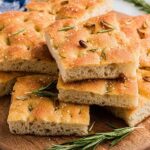
Garlic Rosemary Focaccia Bread Recipe
- Prep Time: 10 minutes
- Cook Time: 20 minutes
- Total Time: 2 hours 30 minutes
- Yield: 8 servings
- Category: Bread
- Method: Baking
- Cuisine: Italian
- Diet: Vegetarian
Description
This Garlic Rosemary Focaccia is a fragrant and flavorful Italian bread featuring roasted garlic, fresh rosemary, and a crispy olive oil crust. Perfect for serving as a side or enjoying on its own, this recipe uses a stand mixer for easy dough preparation and includes two rises to develop a light, airy texture.
Ingredients
Dough Ingredients
- 1 1/3 cups warm water (105°F to 115°F)
- 2 teaspoons granulated sugar
- 1 ounce instant yeast (2 1/4 teaspoons)
- 3 3/4 cups all-purpose flour (480 g)
- 2 teaspoons salt
- 1/4 cup olive oil
- 3 sprigs fresh rosemary
- 1/2 cup olive oil (divided for brushing and baking)
Garlic Ingredients
- 2 whole garlic bulbs, separated and peeled
Topping
- Coarse salt for sprinkling
- Some reserved roasted garlic cloves (from the 2 bulbs)
- Fresh rosemary leaves
Instructions
- Activate Yeast: Using a thermometer, ensure the warm water is between 105°F to 115°F. Stir in the granulated sugar and instant yeast, then let it sit for 5 minutes until frothy.
- Roast Garlic: Preheat the oven to 350°F. Place the peeled whole garlic cloves in a small skillet and bake for about 30 minutes until soft and fragrant. Chop half of the roasted garlic to add to the dough and keep the rest for topping.
- Mix Dry Ingredients: Measure 3 3/4 cups of all-purpose flour using the spoon and leveling technique. Combine flour and salt in the stand mixer bowl fitted with a dough hook.
- Combine Ingredients: Add 1/4 cup of olive oil and the chopped roasted garlic cloves to the flour mixture. Pour the yeast mixture into the flour and mix slowly until combined. Increase to medium speed and knead for 5 minutes until the dough pulls away from the bowl and is not sticky; add a little more flour if necessary.
- First Rise: Transfer dough to a large bowl greased with olive oil. Brush the surface of the dough with olive oil and cover with plastic wrap. Place in a warm spot to rise for 1 1/2 hours until doubled in size.
- Prepare Baking Sheet: Preheat the oven to 400°F. Grease a 9×13-inch baking sheet with olive oil. Transfer the risen dough onto the baking sheet and press it out evenly to cover the entire surface.
- Second Rise: Cover the dough again with plastic wrap and let it rest in a warm place for 30 minutes until it rises again.
- Dimple Dough and Add Toppings: Use your fingers to poke holes evenly over the dough surface. Brush generously with olive oil, then sprinkle with reserved roasted garlic cloves, fresh rosemary leaves, and coarse salt.
- Bake: Place the focaccia on the middle rack of the oven and bake for about 20 minutes until golden brown.
- Final Brush: Remove from the oven and lightly brush the top again with olive oil for a shiny finish and extra flavor.
Notes
- Use a kitchen thermometer to ensure the water temperature is ideal for yeast activation to avoid killing the yeast.
- Roasting the garlic softens its flavor, making the focaccia rich but not overpoweringly pungent.
- The dough should be slightly sticky but should pull away from the bowl; add flour sparingly to avoid a dense bread.
- The two rises are important to develop the light and airy texture typical of focaccia.
- Coarse salt adds a nice crunchy contrast to the soft bread and enhances flavors.
- Fresh rosemary can be substituted with dried rosemary if fresh is unavailable, but use less as dried is more potent.
- The dough can be made a day in advance and refrigerated after the first rise for convenience; allow it to come to room temperature before shaping and the second rise.
Nutrition
- Serving Size: 1 slice (approx. 1/8 focaccia)
- Calories: 240 kcal
- Sugar: 1 g
- Sodium: 350 mg
- Fat: 9 g
- Saturated Fat: 1.3 g
- Unsaturated Fat: 7 g
- Trans Fat: 0 g
- Carbohydrates: 32 g
- Fiber: 2 g
- Protein: 6 g
- Cholesterol: 0 mg