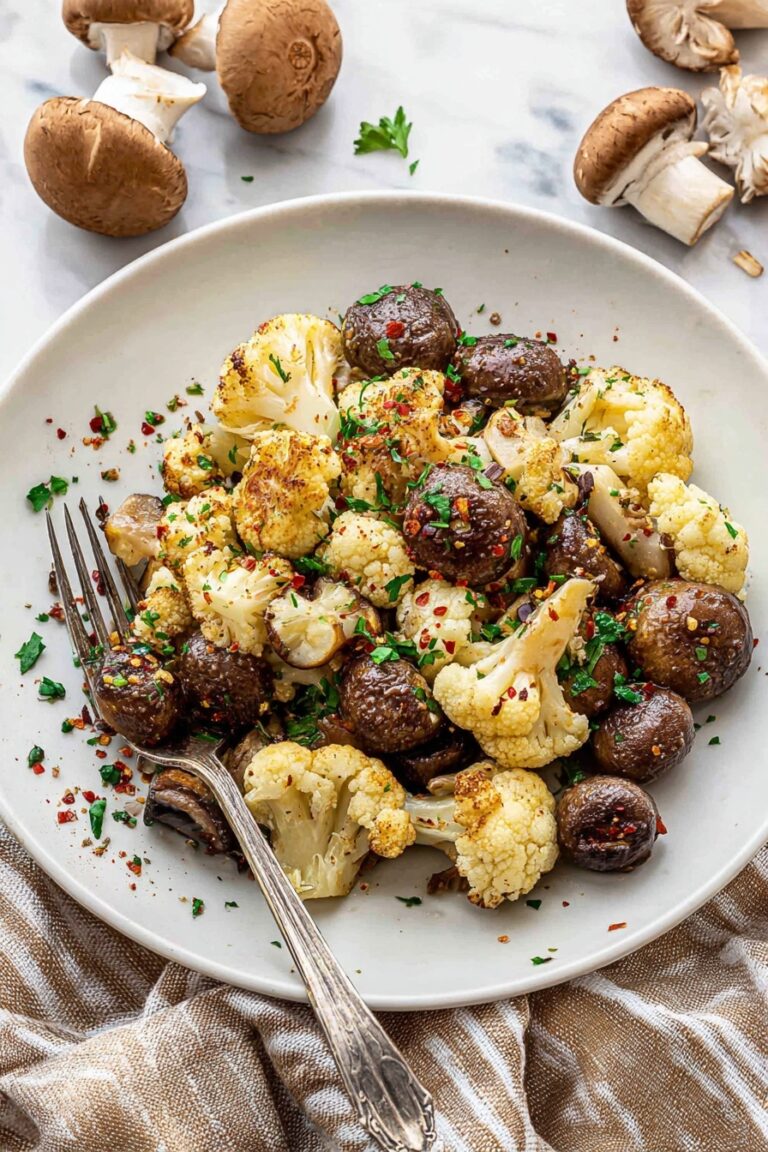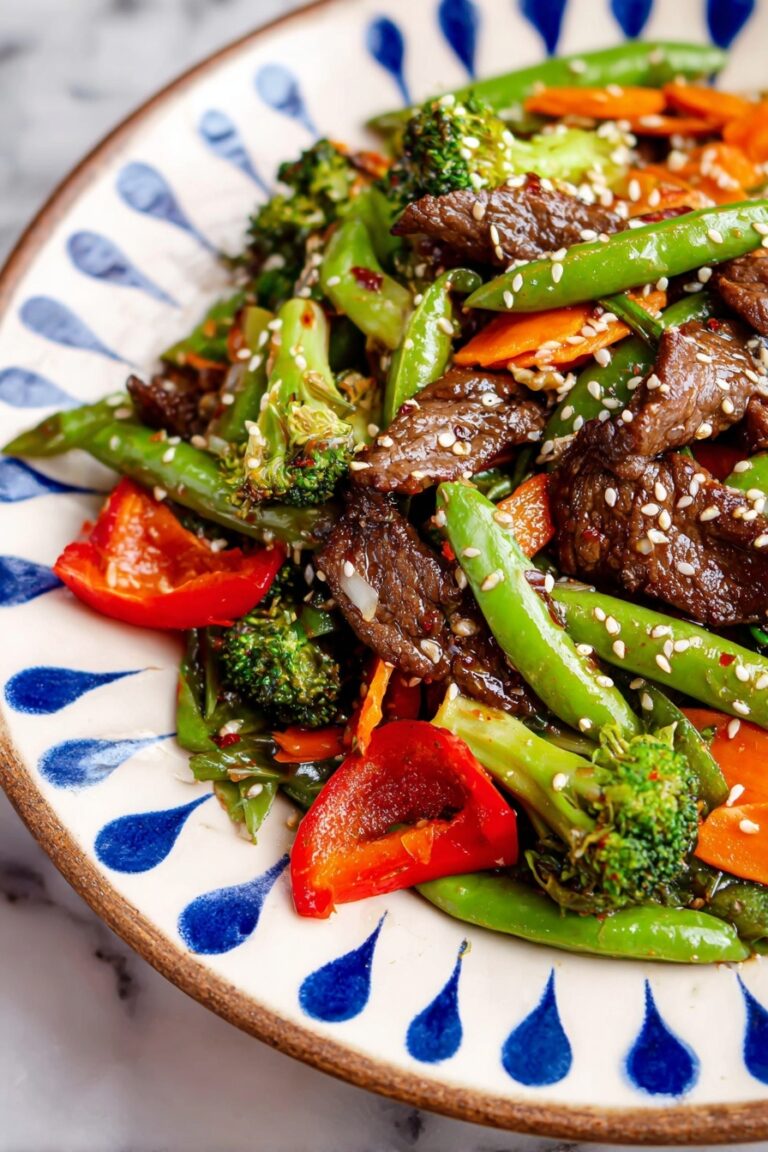

Sautéed Cabbage with Apple Cider Vinegar Recipe
If you’re on the hunt for a side dish that’s simple, flavorful, and packed with a bit of tangy zing, you’re going to love this Sautéed Cabbage with Apple Cider Vinegar Recipe. It’s one of those recipes that feels like comfort food but brings a bright, fresh twist thanks to the apple cider vinegar. Whether you’re pairing it with a weeknight dinner or need a last-minute veggie dish that’s guaranteed to impress, this is an easy and satisfying choice you’ll come back to again and again.
Why This Recipe Works
- Balanced Flavors: The natural sweetness of cabbage meets bright acidity from apple cider vinegar for a perfect harmony.
- Simple Technique: Sautéing cabbage until it’s caramelized creates depth without requiring fancy ingredients.
- Versatile Side: This dish pairs beautifully with everything from roasted meats to vegan mains, making it a weeknight staple.
- Quick to Make: Ready in just about 15 minutes, it’s a hassle-free way to get veggies on the table.

Ingredients & Why They Work
All the ingredients here play a simple but essential role in making your sautéed cabbage sing. Fresh cabbage is the star, while olive oil and butter work together for richness and a silky texture. Apple cider vinegar adds that bright punch, and thyme brings a herbal note that sings in the background. I always recommend shopping for the freshest, firmest cabbage you can find—it makes a big difference in texture and flavor.

- Green cabbage: Choose a small head that feels dense and heavy, with tight leaves for the freshest taste.
- Extra virgin olive oil: Adds fruitiness and helps with the cooking process without overpowering the cabbage.
- Unsalted butter: Gives richness and helps caramelize the cabbage beautifully.
- Kosher salt: Essential for drawing out moisture and enhancing natural flavors.
- Freshly ground black pepper: Adds just the right hint of heat and depth.
- Apple cider vinegar: The magical ingredient that brightens the dish with a tangy kick.
- Fresh thyme (optional): I love this herb’s subtle earthiness that rounds out the acidity perfectly.
Tweak to Your Taste
I like to encourage experimenting with this sautéed cabbage recipe because it’s so forgiving and versatile. Sometimes I add a pinch of red pepper flakes for a touch of heat, or swap the fresh thyme for sage when I’m craving something a little earthier. You can easily adjust the amount of vinegar to your taste, especially if you prefer your vinegar notes more subtle or punchy.
- Add heat: I’ve discovered that a sprinkle of crushed red pepper flakes gives a lovely warm kick without overpowering the cabbage.
- Herb swap: Fresh sage or rosemary can be great alternatives to thyme if you want a different herbal profile.
- Make it vegan: Skip the butter and just use olive oil to keep things dairy-free.
- Seasonal twist: Adding in diced apples or caramelized onions turns it into a heartier dish during fall.
Step-by-Step: How I Make Sautéed Cabbage with Apple Cider Vinegar Recipe
Step 1: Prep Your Cabbage for Thin, Even Ribbons
Start by cutting your cabbage in half from top to bottom, slicing right through the core. Lay each half cut-side down on your cutting board and slice as thinly as you can around the core to get those delicate ribbons. You want them consistent so they cook evenly—thin slices brown better and have a nicer texture. I usually discard the core or save it for vegetable stock.
Step 2: Heat the Pan and Melt the Fat
Place a large sauté pan or heavy-bottomed pot over medium-high heat and pour in the olive oil and butter. Let the butter melt gently but don’t let it burn. I like watching for the moment it foams and smells nutty before adding the cabbage—that’s your cue to move on. This combo gives the dish a silky mouthfeel and prevents sticking.
Step 3: Cook the Cabbage Low and Slow for Flavorful Caramelization
Add the cabbage ribbons to the pan along with salt and pepper. Now, here’s where patience pays off: cook the cabbage for 10 to 15 minutes, stirring occasionally. Don’t feel like you need to stir constantly! Leaving the cabbage undisturbed for a minute or two helps it develop those golden-brown caramelized bits that are pure magic. Keep an eye on it so it doesn’t burn, but do let it sit a bit before stirring again.
Step 4: Brighten It Up with Apple Cider Vinegar and Herbs
Once your cabbage is tender and has those beautiful browned spots, remove the pan from heat and stir in the apple cider vinegar. This is where the dish gets its bright, tangy lift. Taste it and add a splash more vinegar, salt, or pepper if needed to match your preference. Finally, sprinkle chopped fresh thyme on top for a lovely herbal note and serve warm.
Pro Tips for Making Sautéed Cabbage with Apple Cider Vinegar Recipe
- Don’t Overcrowd the Pan: I always make sure the cabbage has enough room to brown rather than steam; too much cabbage makes it soggy.
- Use Both Butter and Olive Oil: This combo keeps the cabbage tender but adds flavor and prevents burning better than using just one fat.
- Let It Caramelize Undisturbed: Resist the urge to stir constantly; those brown bits add incredible flavor.
- Adjust Vinegar Last: Add vinegar off heat at the end to keep its bright flavor without cooking it off.
How to Serve Sautéed Cabbage with Apple Cider Vinegar Recipe

Garnishes
I love finishing this sautéed cabbage with a sprinkle of fresh herbs—thyme is my go-to, but chopped parsley or even a few toasted pumpkin seeds add a fun texture contrast. Sometimes I’ll add a few shreds of sharp cheddar or a drizzle of good olive oil right before serving to add richness.
Side Dishes
This sautéed cabbage is a perfect partner for roasted chicken or pork chops, but I also pair it with hearty grain bowls or pan-seared tofu for a simple vegetarian meal. It balances heavier proteins beautifully and adds freshness to any plate.
Creative Ways to Present
For dinner parties, I’ve served this cabbage layered over roasted fingerling potatoes with a sprinkle of crispy fried shallots on top—it looks beautiful and adds a crispy contrast. You could also serve it chilled as a slaw tossed with extra apple cider vinegar and mustard seeds for a refreshing twist.
Make Ahead and Storage
Storing Leftovers
After enjoying your first serving, store any leftovers in an airtight container in the refrigerator. It keeps beautifully for up to a week. I find the flavors actually deepen overnight, making it even tastier the next day!
Freezing
I’ve frozen sautéed cabbage in freezer-safe containers a few times. The texture softens a bit after thawing, but it still tastes great when reheated—just best for use in cooked dishes rather than fresh salads.
Reheating
I reheat leftovers gently in a skillet over medium heat, adding a splash of water or extra apple cider vinegar to refresh the flavor. You can also microwave it on low power, stirring every 30 seconds to prevent drying out.
FAQs
-
Can I use other types of cabbage for this recipe?
Absolutely! While green cabbage is classic here, you can try savoy or red cabbage too. Just keep in mind the cooking time might vary slightly since some cabbages are denser or have thicker leaves.
-
Why is apple cider vinegar used instead of other vinegars?
Apple cider vinegar is my top pick because it has a milder, fruitier acidity that’s less harsh than white vinegar. It complements cabbage’s natural sweetness beautifully without overpowering it.
-
Can I make this recipe vegan?
Yes! Simply replace the butter with extra olive oil or a vegan butter substitute and you’re good to go without sacrificing flavor or texture.
-
How do I prevent the cabbage from getting soggy?
Make sure to cook over medium-high heat without overcrowding the pan to allow the cabbage to caramelize instead of steaming. Also, thin slicing helps the cabbage cook evenly and avoid becoming mushy.
Final Thoughts
This Sautéed Cabbage with Apple Cider Vinegar Recipe has become one of those go-to sides that I can whip up in a flash but always leaves everyone asking for more. It’s simple, approachable, and—most importantly—delicious. Whether you’re a cabbage enthusiast or a hesitant veggie eater, I promise this dish will win you over with its perfect balance of sweet, savory, and tangy flavors. So, grab a head of cabbage and give it a try—you might just find yourself making it weekly, like me!
Print
Sautéed Cabbage with Apple Cider Vinegar Recipe
- Prep Time: 5 minutes
- Cook Time: 15 minutes
- Total Time: 20 minutes
- Yield: 6 servings
- Category: Side Dish
- Method: Frying
- Cuisine: American
- Diet: Vegetarian
Description
A simple and flavorful sautéed cabbage recipe that highlights tender, caramelized cabbage ribbons seasoned with olive oil, butter, salt, pepper, and a splash of apple cider vinegar for zesty brightness. Perfect as a warm side dish for any meal.
Ingredients
Vegetables
- 1 small head green cabbage about 2 1/2 pounds
Seasonings and Fats
- 1 tablespoon extra virgin olive oil
- 1 tablespoon unsalted butter
- 1 1/2 teaspoons kosher salt
- 1/2 teaspoon freshly ground black pepper
- 1/2 tablespoon apple cider vinegar plus additional to taste
- 1 tablespoon chopped fresh thyme optional
Instructions
- Prepare the Cabbage: Cut the cabbage in half vertically through its core. Place the cut side down on the cutting board and slice thinly around the core to create fine ribbons, then discard the core.
- Heat the Pan: Place a large sauté pan or heavy-bottomed pot over medium-high heat. Add the olive oil and butter, allowing the butter to melt completely before proceeding.
- Sauté the Cabbage: Add the sliced cabbage to the pan along with salt and pepper. Cook for 15 minutes, stirring occasionally, allowing the cabbage to become tender and develop browned, caramelized bits by leaving it undisturbed for a minute or two at a time.
- Add Vinegar and Thyme: Remove the pan from heat and stir in the apple cider vinegar. Adjust seasoning by adding more salt, pepper, or vinegar to taste. Sprinkle with fresh thyme if using.
- Serve Warm: Transfer the sautéed cabbage to a serving dish and serve immediately while warm.
Notes
- To Store: Keep sautéed cabbage in an airtight container in the refrigerator for up to one week.
- To Reheat: Warm gently in a microwave-safe dish or on a plate, then optionally add more salt and a splash of apple cider vinegar to brighten flavors.
- To Freeze: Freeze in a freezer-safe container; texture may change slightly but flavor remains delicious upon thawing.
- Cooking Tip: Do not stir constantly while sautéing to encourage caramelization for better flavor.
- Variation: Fresh thyme is optional but adds a nice herbal note to the dish.
Nutrition
- Serving Size: 1 cup
- Calories: 90 kcal
- Sugar: 4 g
- Sodium: 350 mg
- Fat: 7 g
- Saturated Fat: 2 g
- Unsaturated Fat: 5 g
- Trans Fat: 0 g
- Carbohydrates: 8 g
- Fiber: 3 g
- Protein: 2 g
- Cholesterol: 5 mg